Bone Grinder | Bone Crushing Machine
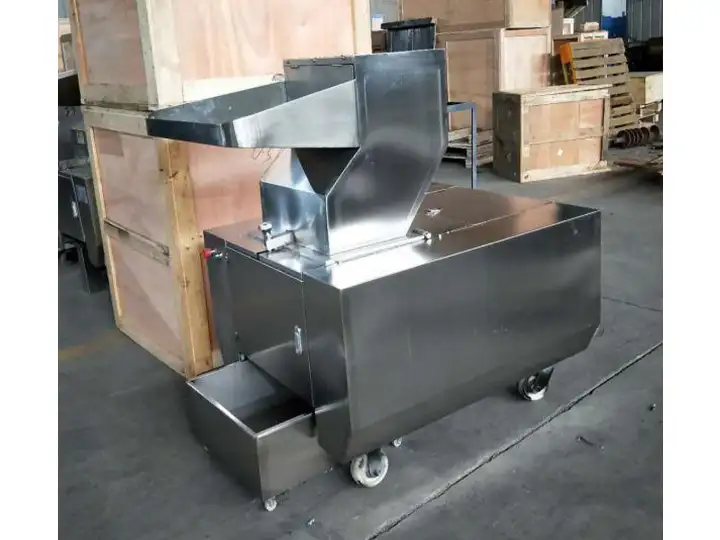
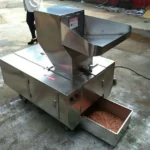
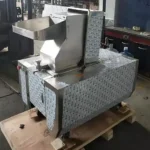
| Model | PG-400 |
| Feeding Size (mm) | 420 × 230 |
| Capacity (kg/h) | 150–400 |
| Power (kw) | 7.5 |
| Weight (kg) | 420 |
| Dimension (mm) | 1350 × 860 × 1200 |
You can now ask our project managers for technical details
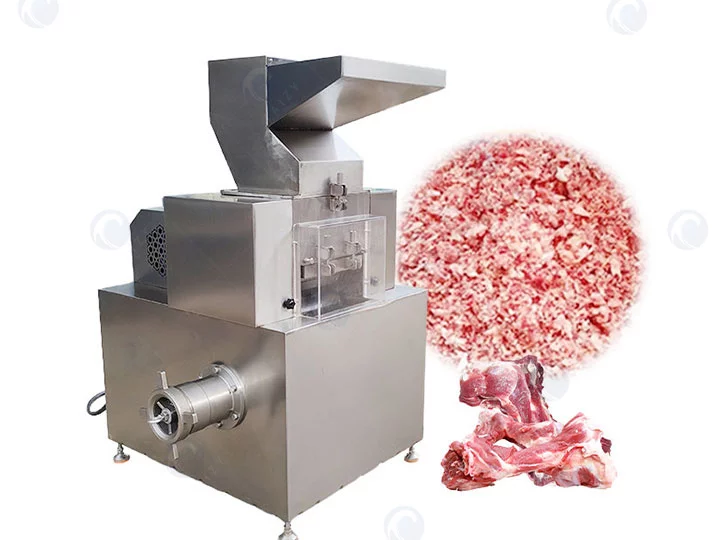
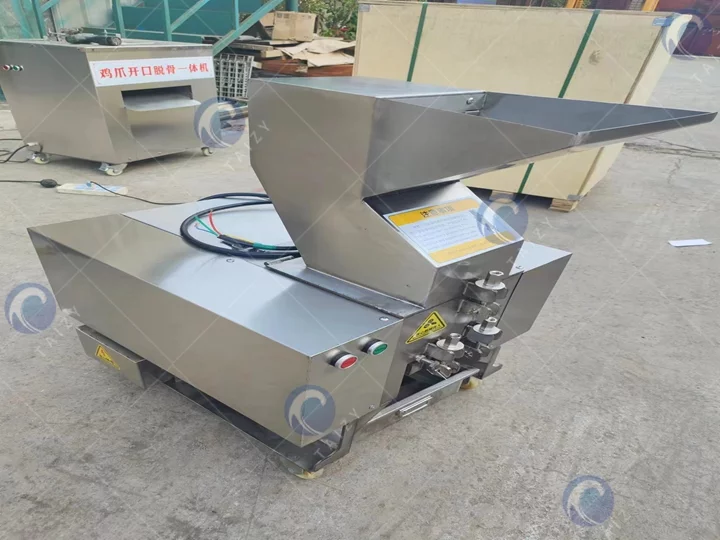
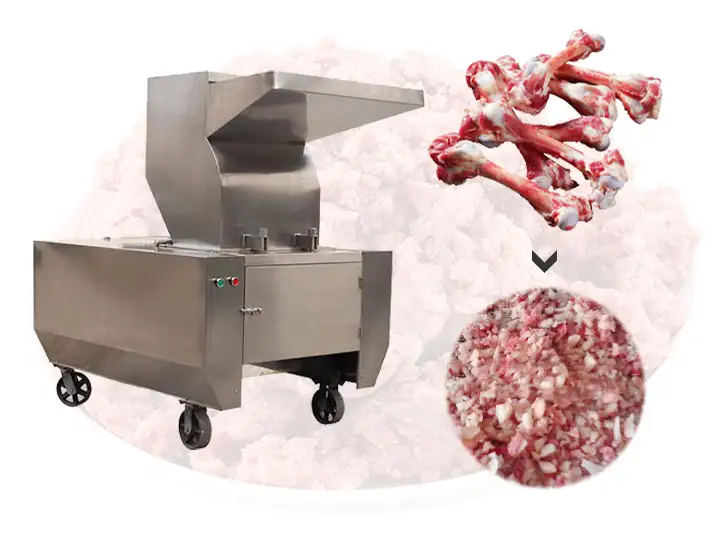
The bone grinder is specifically for efficiently crushing animal bones such as cattle bones, sheep bones, pig bones, fish bones, poultry bones, and various shells. It can handle raw materials with a crushing range of 5–100 mm, delivering even and consistent particle size throughout the production process.
With multiple models available, the machine offers a wide capacity range from 20 to 4000 kg/h. The stable crushing performance ensures smooth operation without material blockage, supporting continuous and high-efficiency output.
Powered by a high-torque variable-frequency motor combined with a multi-stage spiral blade system, the bone grinder provides flexible speed control, uniform crushing results, and reduced clogging risk. This design improves processing efficiency while maintaining stable operation under heavy-duty conditions.
The bone crushing machine is available in three material options—carbon steel, stainless steel, and 304 stainless steel—allowing customers to choose the most suitable configuration based on hygiene requirements, corrosion resistance, and processing needs.
Bone crushing machine applications
The bone crusher is a versatile industrial equipment designed to process animal bones (pig, cattle, chicken, sheep, fish bones) and diverse materials including meat, traditional Chinese herbs, spices, and more. Its adaptability makes it indispensable across multiple industries.
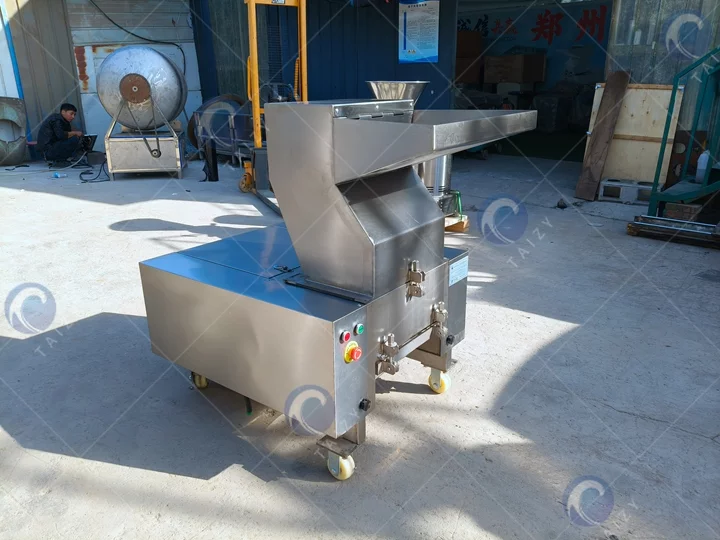
- Meat processing – Crushing cattle, pig, sheep, poultry, and fish bones for further processing.
- Pet food & animal feed – Producing bone particles or bone meal rich in calcium.
- Food processing – Preparing bone materials for soups, extracts, and seasonings.
- Fertilizer production – Processing bones into organic bone fertilizer.
A Canadian meat processing plant adopted this system in July to optimize bone utilization and reduce waste, demonstrating its global reliability and industrial efficiency.
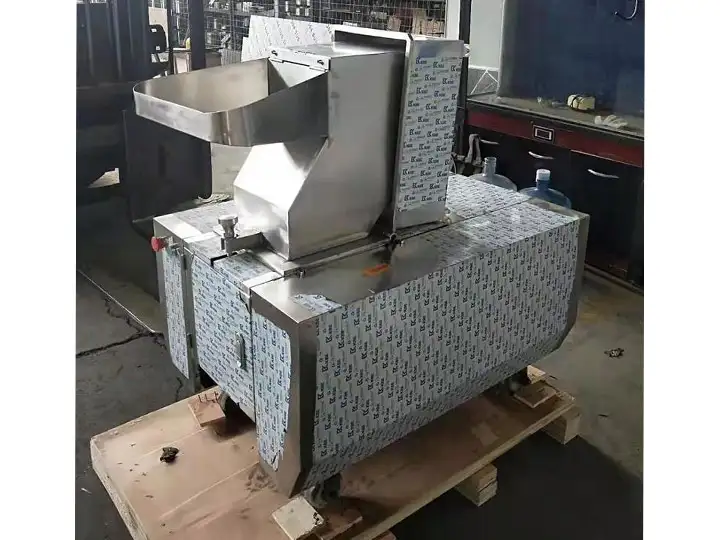
Bone grinder machine structure and working process
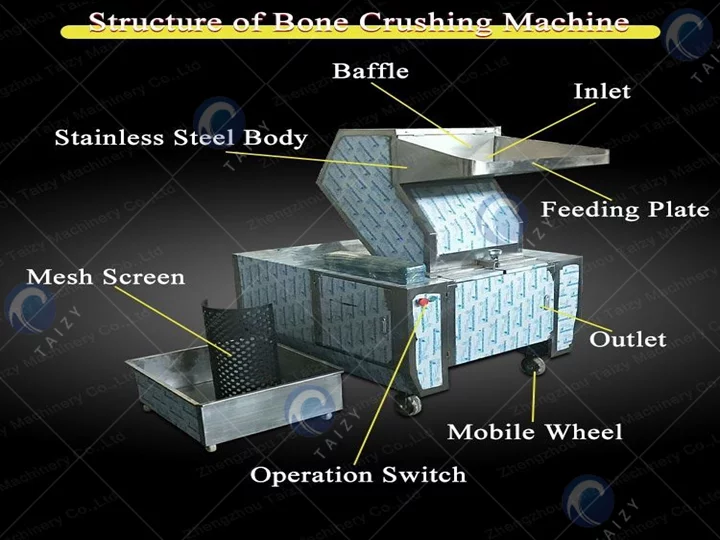
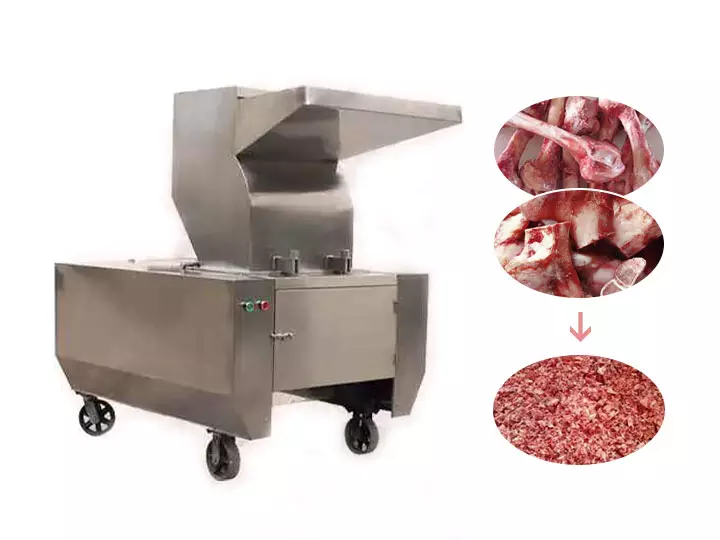
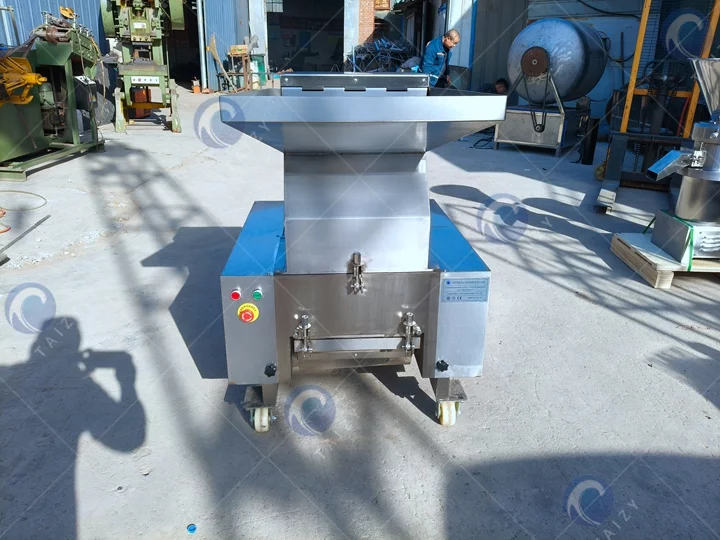
As shown in the figure above, the bone crushing machine features a compact and well-organized structure.
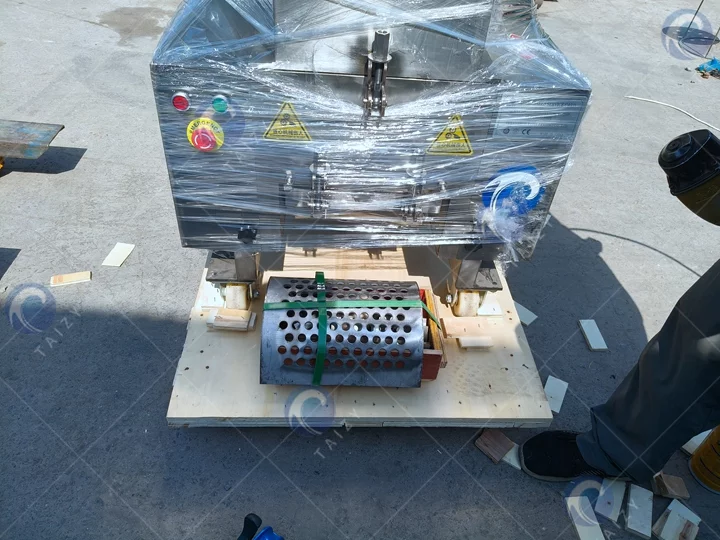
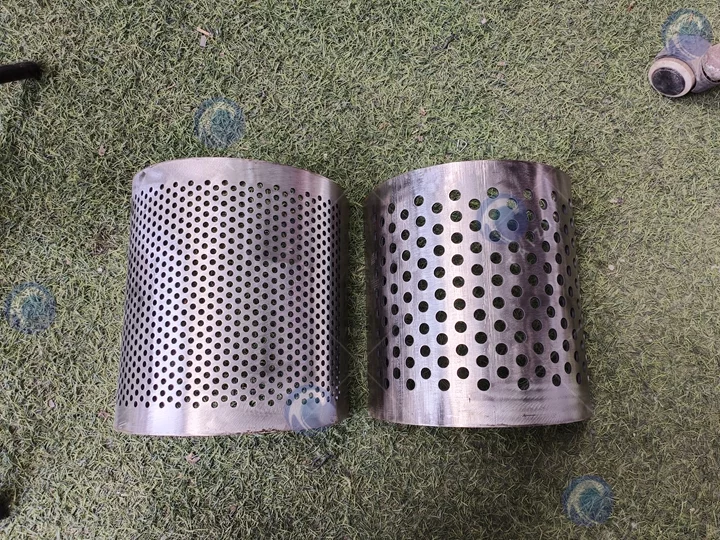
It mainly consists of an inlet, feeding plate, baffle, stainless steel body, crushing chamber, mesh screen, outlet, operation switch, and mobile wheels.
Materials enter through the inlet and are guided by the baffle and feeding plate into the crushing chamber for processing. Qualified particles pass through the mesh screen and are discharged from the outlet. The stainless steel body is strong, durable, and meets hygiene requirements.
The simple operation switch ensures safe use, while the mobile wheels at the bottom make the machine easy to move, clean, and maintain, making it suitable for continuous and stable production.
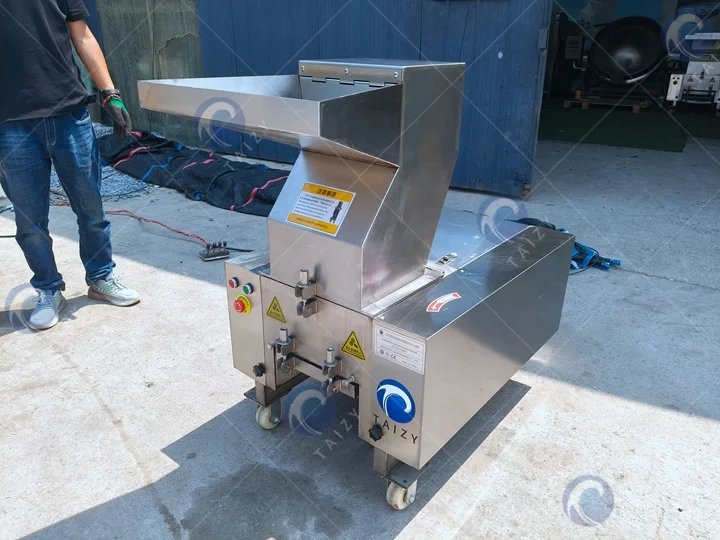
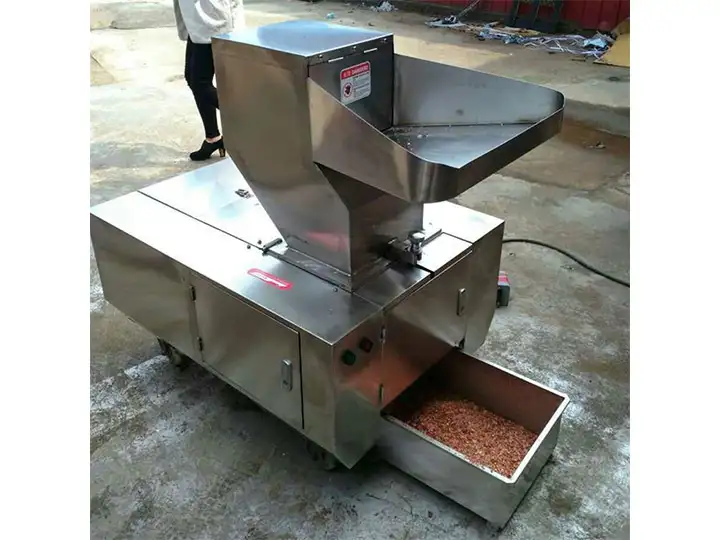
Bone grinder features
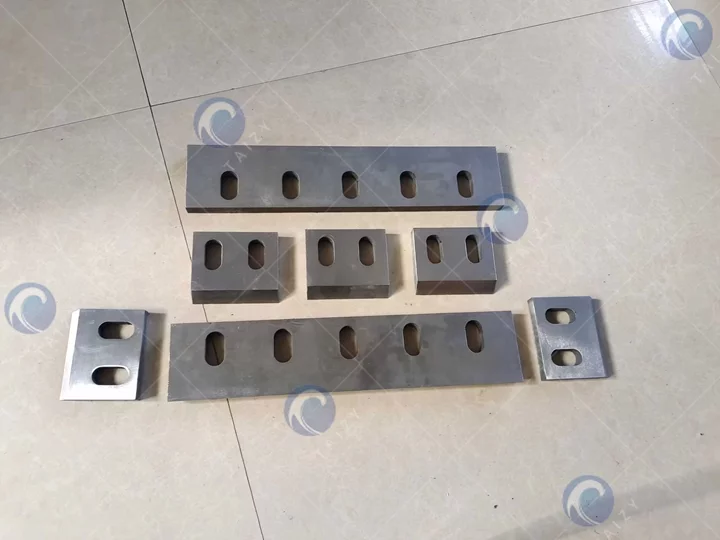
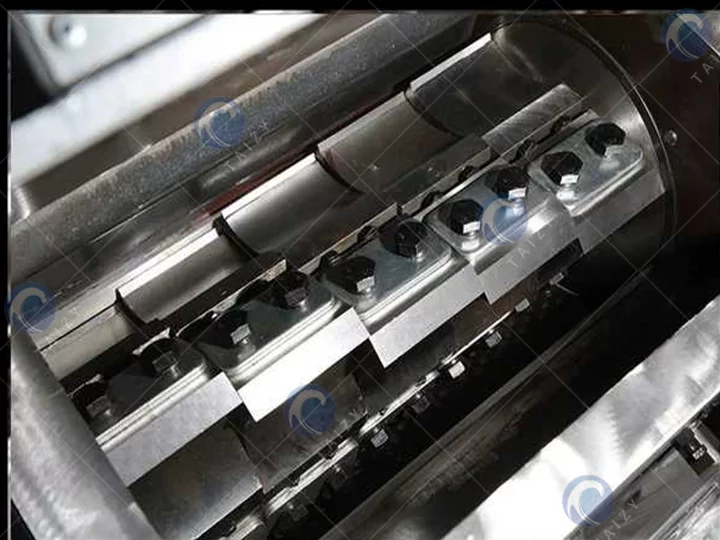
- High-durability blades – High-carbon steel with special alloy heat treatment, reusable through multiple sharpenings, evenly distributed force for enhanced cutting efficiency and extended lifespan.
- Three-level fineness adjustment – Coarse, fine, and ultra-fine grinding, flexibly controlled by the stator-rotor gap (adjustable from 5-100mm) for uniform particle size.
- Safety design – Food-grade contact materials, sound-insulated feeding hopper, motor overload protection, and a safety control system ensure safe and low-noise operation.
- High-efficiency automation – Integrated cutting, grading, and discharge process, supporting high-capacity output of 20-4000kg/h with stable, low-temperature operation.
- Easy maintenance structure – Modular design with one-touch self-cleaning, corrosion-resistant 316L stainless steel body for easy maintenance.
- Energy-saving & eco-friendly – 30% energy-saving power design, pollution-free processing, and compliance with national food safety standards.
Parameters of the bone crusher
| Model | Capacity (kg/h) | Feed Size (mm) | Power (kW) | Weight (kg) | Dimension (mm) |
|---|---|---|---|---|---|
| PG-180 | 20–60 | 180 × 190 | 3–4.5 | 160 | 720 × 450 × 950 |
| PG-300 | 80–200 | 310 × 210 | 5.5 | 340 | 1250 × 730 × 1150 |
| PG-400 | 150–400 | 420 × 230 | 7.5 | 420 | 1350 × 860 × 1200 |
| PG-500 | 200–600 | 520 × 250 | 11 | 600 | 1500 × 980 × 1450 |
| PG-600 | 300–900 | 620 × 320 | 15 | 800 | 1600 × 1100 × 1550 |
| PG-800 | 800–2500 | 820 × 650 | 30 | 2000 | 2400 × 1600 × 2010 |
| PG-1000 | 1000–4000 | 1100 × 800 | 45 | 3800 | 2400 × 1700 × 2300 |
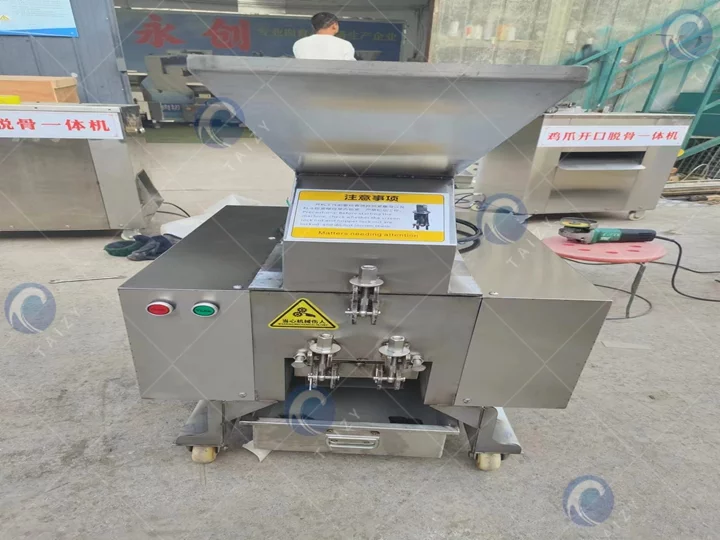
The figure shows the parameters of seven bone breaking machine models, each with different production capacities, feed sizes, weights, and overall dimensions. Users can select the most suitable machine based on their specific processing requirements.
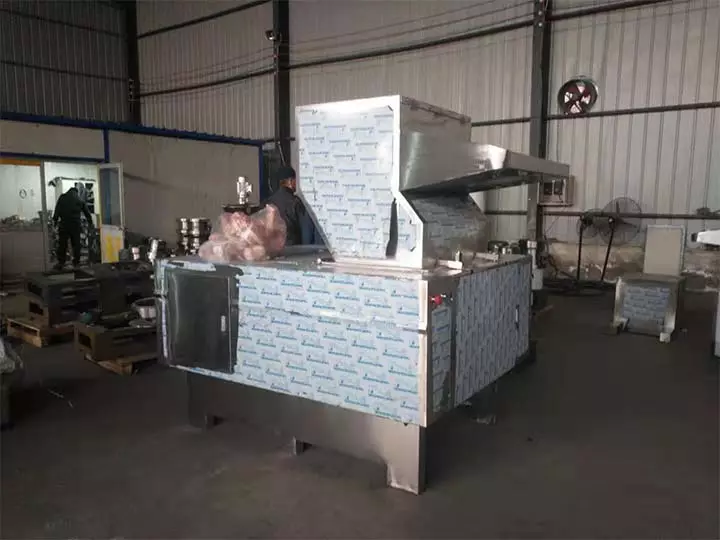
Please note: the 180 standard bone crusher is only suitable for grinding chicken, duck, fish, and sheep bones. It is not suitable for pig bones or cattle bones. For pig bones, larger models are required, and for cattle bones, the minimum recommended model is the 300 type to ensure stable operation and effective crushing.
Why a bone grinder is essential for grinding bones?
Ordinary fresh or frozen meat grinders are not suitable for grinding bones. Meat grinders are designed specifically for soft materials, with blade structures and strength matched to meat characteristics. Bones are significantly harder and tougher, and attempting to process them with a standard meat grinder can result in poor crushing performance and serious blade damage.
A specialized bone grinder is essential because it is built to handle the high hardness of bones. With reinforced blades, stronger drive systems, and optimized crushing structures, a bone grinder can efficiently process bones without damaging the machine.
In addition, bone grinders are capable of processing meat as well, making them a more durable and versatile solution for applications that involve both meat and bone materials.
How to maintain and clean a bone crusher machine?
Regular maintenance and cleaning are essential to keep a bone crusher machine operating efficiently and hygienically. After daily production, the machine can be directly cleaned using a high-pressure water gun, which effectively removes bone residue, grease, and debris from the crushing chamber, blades, and feed inlet. No complex disassembly is required, which saves time and labor.
After washing, allow the machine to dry naturally or wipe it dry before the next use. Routine high-pressure water cleaning helps prevent material buildup, reduces odor, and extends the service life of the bone crusher machine.
Conclusion
Our bone grinding machines are built for efficiency, durability, and precision, making them ideal for meat processing, bone meal production, and other applications.
In addition to bone grinders, we also offer a variety of meat processing equipment. If you’re looking for a high-performance bone grinder or other meat processing machines, we are here to help—feel free to reach out, and we’ll be happy to assist you!